


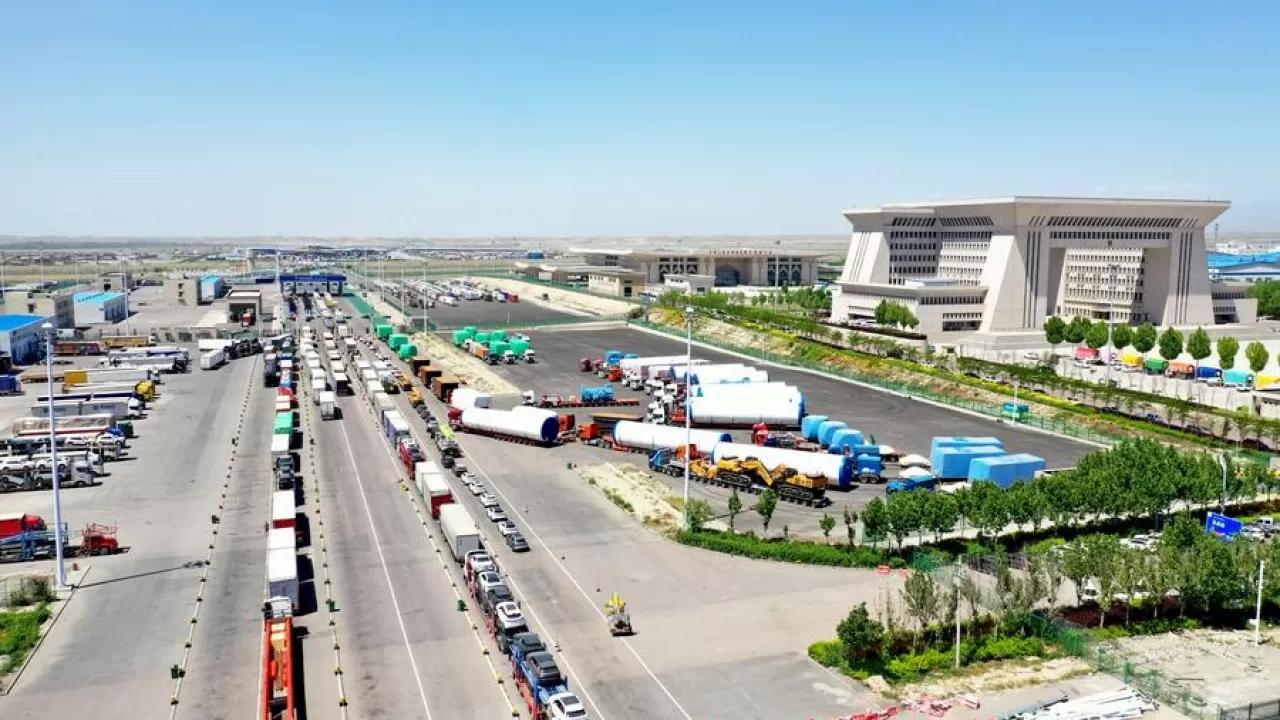
Kazakhstan and China remove limits on international road transport permits
Kazakhstan and China are taking another significant step toward strengthening international logistics cooperation by continuing the implementation of an unlimited exchange system for International Road Transport Permits (Foreign Permit Forms). The new framework will gradually replace the traditional quota-based and paper permit system with a more efficient digital management model.
For the transportation industry, this is one of the most important reforms in recent years. For a long time, the limited number of transport permits has been one of the main obstacles affecting the efficiency of cross-border road freight between Kazakhstan and China. During peak import seasons, annual permit quotas were often exhausted early, forcing carriers to wait for new allocations. As a result, deliveries were delayed, logistics costs increased, and supply chains became less reliable.
What is changing?
Under the new agreement, Kazakhstan and China are moving toward eliminating quantitative restrictions on international transport permits. The issuance process will become increasingly digital and closely integrated with electronic queue management systems.
This means:
- No more annual permit quotas;- Faster permit application and issuance procedures;
- Significant reduction in paper documentation;
- Lower administrative delays caused by manual processing;
- Greater transparency in international transport operations.
At the same time, digital data exchange between the competent authorities of both countries will further streamline administrative procedures and accelerate cross-border transportation.
Benefits for businesses
The new system offers several important advantages for companies engaged in international trade and logistics:
- Shorter approval times for international shipments;- Reduced waiting time for trucks at border crossings;
- Lower administrative costs for transport operators;
- More stable and predictable supply chains;
- Increased capacity for cross-border road freight between Kazakhstan and China.
These improvements come at a time when bilateral trade continues to grow steadily and freight volumes through major border crossings—including Nur Zholy (Khorgos), Dostyk, and Bakhty - are reaching new highs.
What does this mean for the logistics industry?
Industry experts believe that removing permit quotas will significantly enhance the competitiveness of Kazakh transport companies.
Simplified administrative procedures will allow carriers to utilize their fleets more efficiently, complete more trips annually, and ultimately reduce transportation costs.
Moreover, this reform complements the broader digital transformation of the logistics sector, including:
- Electronic queue management systems;- Digital transport permits;
- Electronic customs pre-declarations;
- Smart logistics platforms;
- Cross-border data exchange.
Together, these initiatives are paving the way for a more intelligent, efficient, and transparent international logistics ecosystem.
Looking ahead
The transition to unlimited transport permit exchanges represents an important milestone in Kazakhstan–China logistics cooperation and forms part of the broader strategy to develop international transport corridors under regional connectivity initiatives.
Combined with ongoing border infrastructure modernization, logistics hub development, and digital platform expansion, these reforms are expected to substantially improve the efficiency of cross-border transportation between the two countries.
For importers, exporters, and logistics providers, this means faster deliveries, lower transportation costs, and more reliable international supply chains—creating new opportunities for trade and economic cooperation between Kazakhstan and China.