


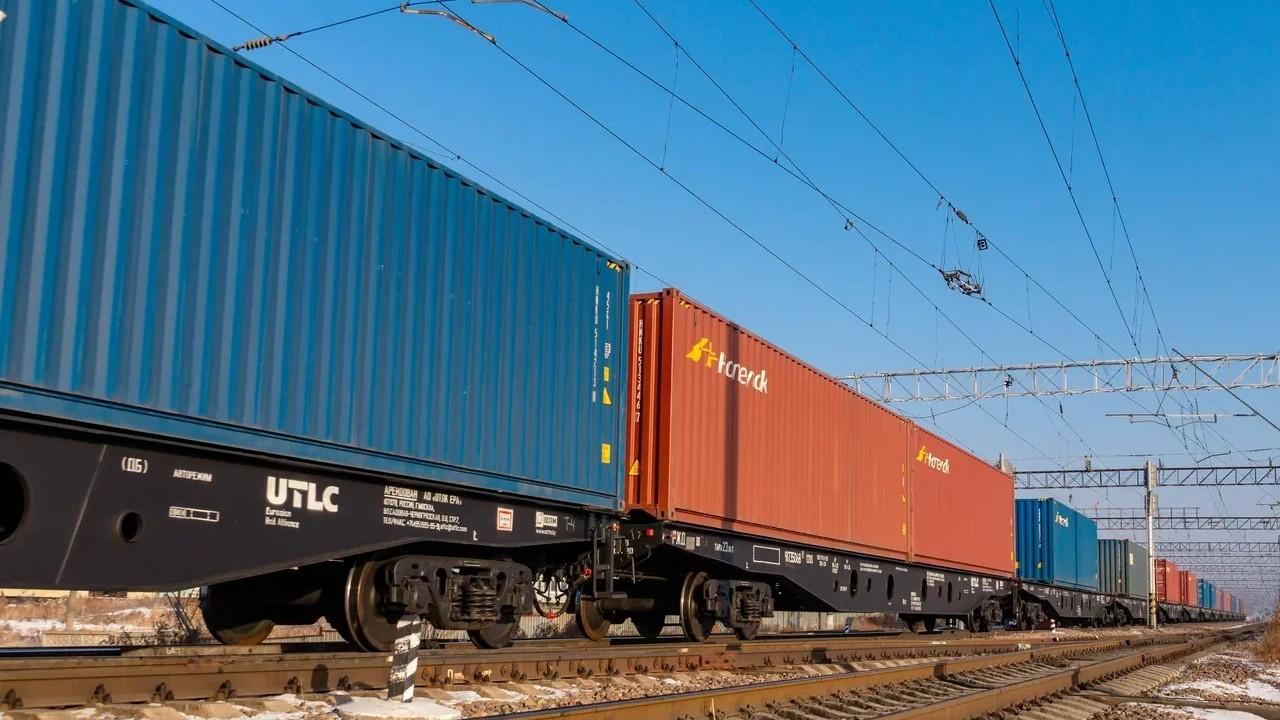
Kazakhstan introduces restrictions on the registration of foreign railcars
As of July 12, new regulations governing the state registration of foreign railway rolling stock have come into force in Kazakhstan. The Ministry of Transport of the Republic of Kazakhstan has tightened the requirements for registering foreign railcars to limit the use of outdated rolling stock on the national railway network.
What has changed?
Under the new regulations, foreign railcars will no longer be eligible for state registration if their remaining service life is less than 60% of the manufacturer's original design life. The restrictions apply to various categories of railway rolling stock, while similar requirements have also been introduced for traction and specialized railway equipment. The only exception is specialized track maintenance machinery for which there are no domestically produced equivalents.
Why were these changes introduced?
- Reduce the burden on railway infrastructure;
- Improve the reliability of freight transportation;
- Encourage the renewal of the national railcar fleet;
- Support the development of Kazakhstan's domestic railway manufacturing industry.
How will this affect the market?
For railcar operators and logistics companies, the new requirements mean greater scrutiny when purchasing and registering railway wagons from abroad. Operating older rolling stock will become less economically attractive, while demand is expected to shift toward newer railcars with longer remaining service lives.
In the short term, some companies may face increased capital expenditures to modernize their fleets. However, in the long run, the industry is expected to benefit from a newer, more reliable fleet, leading to improved operational efficiency and enhanced transportation safety.
Impact on international logistics
Kazakhstan remains one of the key transit hubs connecting China, Central Asia, Russia, and Europe. As a result, any changes to the country's railway regulations have a direct impact on international freight flows.
The new registration requirements will become an additional factor for international rail operators and wagon owners when planning cross-border transportation. Companies operating modern rolling stock are expected to experience minimal disruption, while owners of older wagons may need to invest in fleet renewal or redirect their assets to other markets.
Looking ahead
Industry experts view the new regulations as part of Kazakhstan's broader strategy to modernize its transport sector. Amid the rapid development of the Middle Corridor, the construction of new logistics terminals, and growing transit volumes, the country is steadily raising standards for both its transport infrastructure and rolling stock.
In the long term, these reforms are expected to strengthen the competitiveness of Kazakhstan's railway network and further reinforce the country's position as one of Eurasia's leading logistics hubs.