


Kazakhstan plans to develop a transport and logistics terminal in Iran
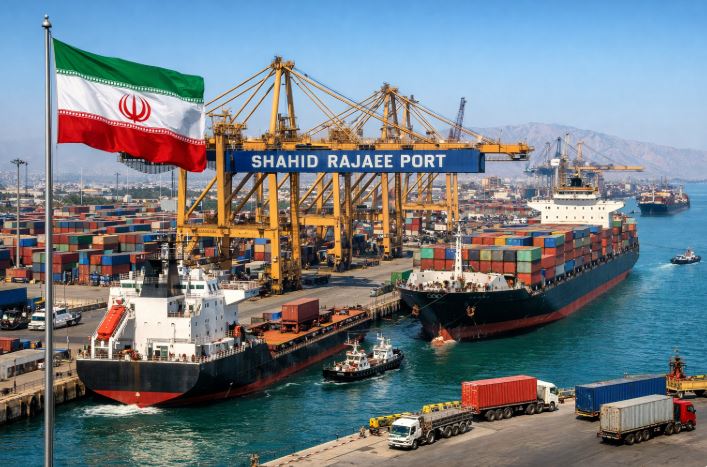
Kazakhstan is taking an important step towards strengthening its international logistics infrastructure. The Kazakh and Iranian sides have signed a BOT agreement for the construction of a transport and logistics terminal at Shahid Rajaee Port in Bandar Abbas. It is Iran’s largest container port and one of the region’s key maritime hubs.
The project could become much more than just another overseas terminal for Kazakhstan. It represents an opportunity to establish a strategic logistics foothold along the southern route and gain more direct access to the markets of the Persian Gulf, South and Southeast Asia, as well as East Africa.
According to published information, the agreement is based on the BOT model - Build, Operate, Transfer. Under the agreement, the Kazakh side will be allocated a land plot within Shahid Rajaee Port. The first two years are designated for the construction of the terminal, followed by a 25-year operating period. Commercial operations are expected to begin in the third year of the project.
The port’s geographical location makes the project particularly important for Kazakhstan’s logistics sector. Bandar Abbas is located near the Strait of Hormuz and provides maritime access to the Persian Gulf and the Indian Ocean.
For Kazakhstan, the project represents an opportunity to expand the southern dimension of its foreign trade and reduce dependence on a limited number of traditional export routes.
The terminal is expected to become an important infrastructure component of the International North–South Transport Corridor. Kazakhstan’s Ministry of Trade and Integration views the project as a means of improving the resilience of logistics routes and expanding the geographical reach of Kazakhstan’s exports.
If the project secures a stable cargo base and regular transport services, its impact could extend far beyond bilateral trade between Kazakhstan and Iran. For carriers, the project could create new routes and additional cargo volumes. For freight forwarders, it offers opportunities to develop alternative multimodal logistics solutions. For manufacturers and exporters, it provides an additional gateway to the rapidly developing markets of the south.
← Go Back
The project could become much more than just another overseas terminal for Kazakhstan. It represents an opportunity to establish a strategic logistics foothold along the southern route and gain more direct access to the markets of the Persian Gulf, South and Southeast Asia, as well as East Africa.
According to published information, the agreement is based on the BOT model - Build, Operate, Transfer. Under the agreement, the Kazakh side will be allocated a land plot within Shahid Rajaee Port. The first two years are designated for the construction of the terminal, followed by a 25-year operating period. Commercial operations are expected to begin in the third year of the project.
The port’s geographical location makes the project particularly important for Kazakhstan’s logistics sector. Bandar Abbas is located near the Strait of Hormuz and provides maritime access to the Persian Gulf and the Indian Ocean.
For Kazakhstan, the project represents an opportunity to expand the southern dimension of its foreign trade and reduce dependence on a limited number of traditional export routes.
The terminal is expected to become an important infrastructure component of the International North–South Transport Corridor. Kazakhstan’s Ministry of Trade and Integration views the project as a means of improving the resilience of logistics routes and expanding the geographical reach of Kazakhstan’s exports.
If the project secures a stable cargo base and regular transport services, its impact could extend far beyond bilateral trade between Kazakhstan and Iran. For carriers, the project could create new routes and additional cargo volumes. For freight forwarders, it offers opportunities to develop alternative multimodal logistics solutions. For manufacturers and exporters, it provides an additional gateway to the rapidly developing markets of the south.